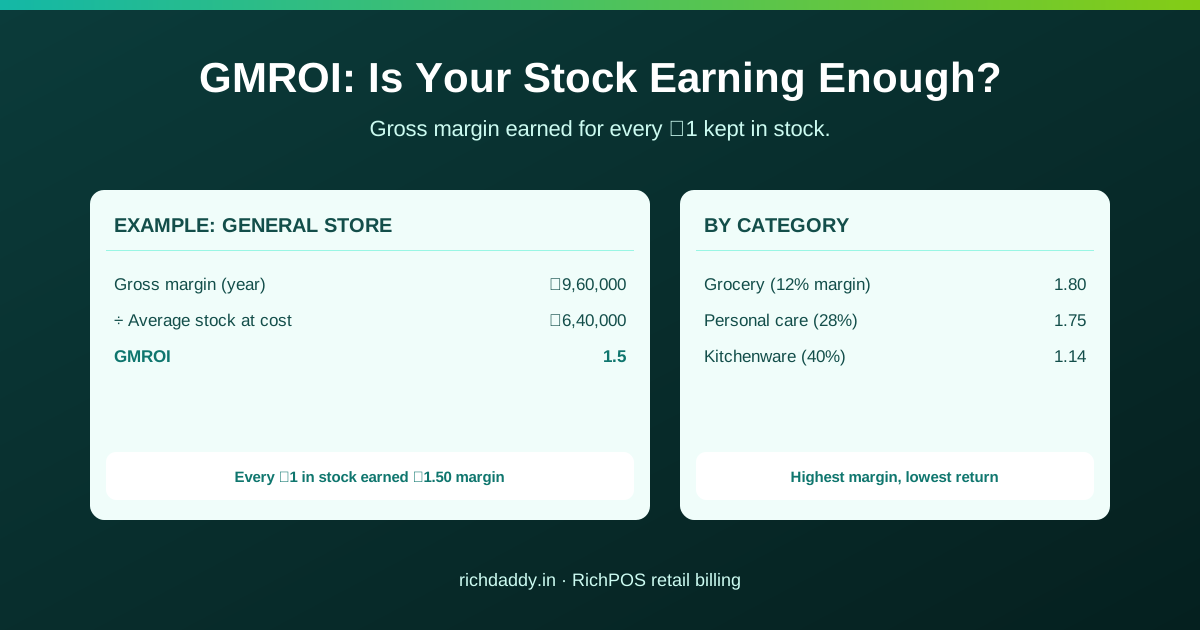
Short answer: GMROI (gross margin return on inventory investment) = gross margin ÷ average inventory at cost. If your shop made ₹9,60,000 gross margin in a year while holding ₹6,40,000 of stock on average, GMROI is 1.5. Every ₹1 kept in stock earned ₹1.50 of gross margin.
This guide is for kirana, general, pharmacy, garment, footwear, mobile, electronics, hardware and other retail shops in India that want to know which stock is actually paying for its shelf space.
Why GMROI matters for a shop owner
Profit percentage alone can mislead. An item with a 40% margin looks great, but if it sits on the shelf for six months, the money in it earns little. An item with a 10% margin that sells out every week can earn far more on the same investment. GMROI puts margin and stock together in one number, so you can compare them fairly.
The three numbers you need
| Number | How to find it |
|---|---|
| Net sales | Total sales for the year after returns and discounts, without GST. |
| Cost of goods sold | Purchase cost of the items you sold, without GST. Your profit and loss report shows it. |
| Average inventory at cost | (Opening stock + closing stock) ÷ 2, both at purchase cost. Use monthly stock values for a more accurate average. |
Gross margin = net sales − cost of goods sold. Value your stock the same way every year. See closing stock valuation for the methods.
Worked example: a general store
| Item | Working | Result |
|---|---|---|
| Net sales (without GST) | ₹48,00,000 | |
| Cost of goods sold | ₹38,40,000 | |
| Gross margin | ₹48,00,000 − ₹38,40,000 | ₹9,60,000 (20%) |
| Opening / closing stock at cost | ₹6,00,000 / ₹6,80,000 | |
| Average inventory at cost | (₹6,00,000 + ₹6,80,000) ÷ 2 | ₹6,40,000 |
| GMROI | ₹9,60,000 ÷ ₹6,40,000 | 1.5 |
A quick check: GMROI also equals gross margin % × (net sales ÷ average inventory at cost). Here that is 20% × 7.5 = 1.5.
Where GMROI earns its keep: category-wise
The shop-wide number is a start. The useful part is splitting it by category. Here is the same store broken into three departments:
| Category | Net sales | Margin % | Gross margin | Average stock at cost | GMROI |
|---|---|---|---|---|---|
| Grocery and staples | ₹30,00,000 | 12% | ₹3,60,000 | ₹2,00,000 | 1.80 |
| Personal care | ₹10,00,000 | 28% | ₹2,80,000 | ₹1,60,000 | 1.75 |
| Kitchenware and plastics | ₹8,00,000 | 40% | ₹3,20,000 | ₹2,80,000 | 1.14 |
| Total | ₹48,00,000 | 20% | ₹9,60,000 | ₹6,40,000 | 1.50 |
Kitchenware has the highest margin but the lowest GMROI, because ₹2,80,000 sits on the shelf to earn it. Grocery has the thinnest margin but the best return on stock, because it sells quickly. If the owner cut kitchenware stock to ₹2,00,000 without losing sales, its GMROI would rise to 1.6 and ₹80,000 of cash would be freed.
How to raise GMROI
- Clear slow stock. Items that have not sold in 90 days drag the average up. Use dead stock clearance offers or return them to suppliers where possible.
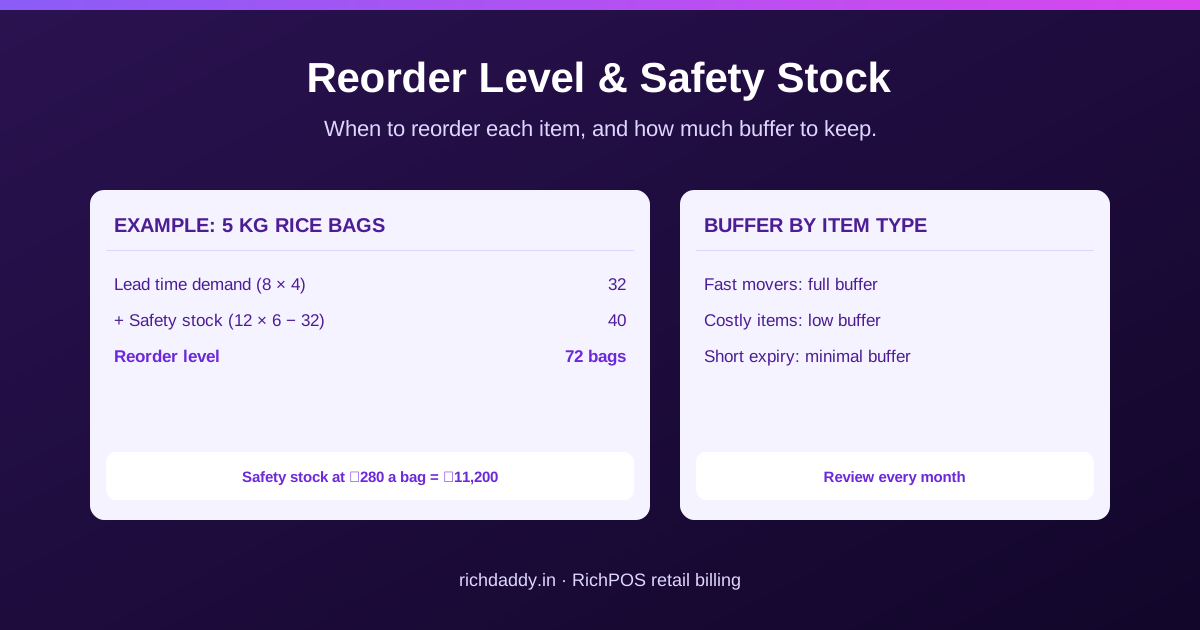
- Order smaller, more often. For steady sellers, set proper reorder levels instead of buying in bulk to "save" on purchase.
- Focus on your A items. ABC analysis shows the few items that bring most of your sales. Never let them run out.
- Price with margin, not markup, in mind. Know the difference between markup and margin so a price change does what you expect.
- Negotiate purchase rates. A 2% better buying price raises margin without adding a rupee of stock.
GMROI, turnover and margin together
| Measure | Question it answers |
|---|---|
| Gross margin % | How much do I keep from each sale? |
| Inventory turnover | How fast does my stock sell? |
| GMROI | How much margin does each ₹1 of stock earn in a year? |
Track all three each quarter. A falling GMROI with steady sales usually means stock is piling up.
Frequently asked questions
- What is GMROI?
- GMROI stands for gross margin return on inventory investment. It tells you how many rupees of gross margin you earned in a year for every ₹1 you kept tied up in stock, valued at cost.
- What is the GMROI formula?
- GMROI = gross margin ÷ average inventory at cost. Gross margin is net sales minus the cost of goods sold. Average inventory is usually (opening stock + closing stock) ÷ 2, both at purchase cost.
- What is a good GMROI for a retail shop?
- A GMROI below 1 means each ₹1 of stock earned less than ₹1 of gross margin in a year, before rent, salaries and other costs. Above that, compare your categories with each other and with your own past years, because the right number depends on your trade and how you buy.
- How is GMROI different from inventory turnover?
- Inventory turnover counts how many times stock sells through in a year. GMROI adds margin to that. A low-margin item that sells fast and a high-margin item that sells slowly can earn the same GMROI, so it is a fairer way to compare them.
- Should I include GST when calculating GMROI?
- No. Use sales and stock values without GST. The GST you collect is paid to the government and the GST on purchases comes back as input tax credit, so neither is part of your margin or your money in stock.
- How can I improve GMROI?
- Either earn more margin on the same stock or hold less stock for the same sales. Cut slow and dead items, order smaller quantities more often for steady sellers, negotiate better purchase rates, and give more shelf space to categories with high GMROI.
Bottom line: GMROI = gross margin ÷ average inventory at cost. Work it out for each category, cut stock where it is low, and give more space to what earns the most per rupee held. RichPOS keeps category-wise sales, purchase cost and stock value in one place, so these numbers are a report away. Call +91 90333 31255, or start the 30-day free trial from the pricing page.