Updated 17 October 2026 · By Ashok Sachdev · Rates read from Notification No. 9/2025 and No. 10/2025-Central Tax (Rate), in force from 22 September 2025
Quick answer
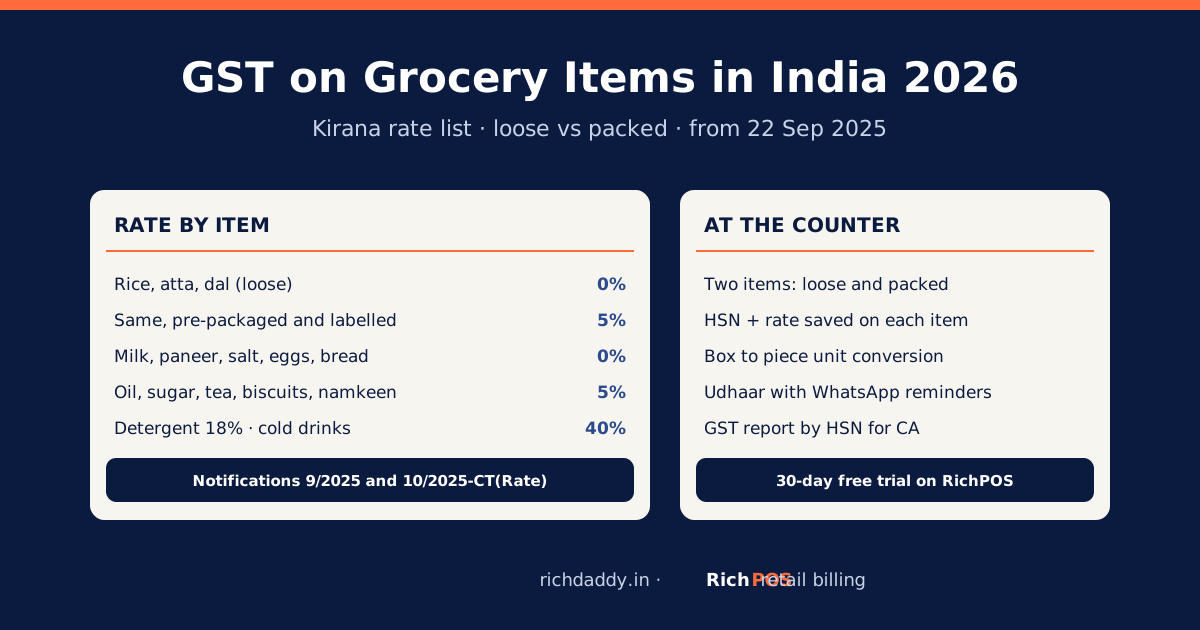
Most grocery items in India carry 0% or 5% GST in 2026. Staples such as rice, wheat, atta, dal, besan, poha, jaggery and honey are 0% when sold loose and 5% when pre-packaged and labelled; milk, paneer, salt, eggs, fresh vegetables, bread and papad are 0% either way; and edible oil, sugar, tea, coffee, spices, ghee, biscuits, chips, namkeen and chocolates are 5%. The main exceptions in a kirana store are detergents and vinegar at 18% and aerated cold drinks at 40%.
These rates took effect on 22 September 2025, when the GST Council moved most food items to 5% or nil. For a kirana or grocery shop, the hardest part is no longer the rate itself but the "loose vs packed" rule on staples, and keeping one item code for each. This guide gives the rate list, explains the packed rule, and shows how to set it up at the billing counter.
GST rate list for kirana and grocery items (2026)
| Item | HSN | Loose | Pre-packaged and labelled |
|---|---|---|---|
| Rice, wheat, jowar, bajra, ragi | 1006, 1001, 1008 | 0% | 5% |
| Atta, maida, suji, rava, dalia, besan | 1101, 1103, 1106 | 0% | 5% |
| Dal and pulses | 0713 | 0% | 5% |
| Poha, murmura | 1904 | 0% | 5% |
| Jaggery (gur), honey, makhana | 1701, 0409, 08 | 0% | 5% |
| Curd, lassi, buttermilk | 0403 | 0% | 5% |
| Milk, paneer | 0401, 0406 | 0% | 0% |
| Salt | 2501 | 0% | 0% |
| Eggs, fresh vegetables and fruits | 0407, 07, 08 | 0% | 0% |
| Bread, khakhra, roti, paratha, papad | 1905, 2106 | 0% | 0% |
| Sugar | 1701 | 5% | |
| Edible oils (mustard, sunflower, groundnut, soybean, palm), vanaspati | 1507–1516 | 5% | |
| Tea, coffee (including instant) | 0902, 0901, 2101 | 5% | |
| Haldi, chilli, jeera, pepper, mixed masala | 0904–0910, 2103 | 5% | |
| Dry fruits: almonds, cashew, raisins, dried dates | 0801–0806 | 5% | |
| Ghee, butter, cheese, milk powder | 0405, 0406, 0402 | 5% | |
| Biscuits, cakes, rusk, cornflakes | 1905, 1904 | 5% | |
| Noodles, pasta, vermicelli | 1902 | 5% | |
| Chips, namkeen, bhujia | 2005, 2106 | 5% | |
| Chocolates, candy, sauce, ketchup, jam, pickle | 1806, 1704, 2103, 2007 | 5% | |
| Fruit juice, packaged drinking water | 2009, 2201 | 5% | |
| Bathing soap, toothpaste, shampoo | 3401, 3306, 3305 | 5% | |
| Detergent, washing soap, vinegar | 3402, 3401, 2209 | 18% | |
| Aerated cold drinks, energy drinks | 2202 | 40% | |
Rates are the full GST rate (CGST + SGST within a state). Sources: Notification 9/2025-CT(Rate) (5%, 18% and 40% schedules) and Notification 10/2025-CT(Rate) (nil-rated goods). Each linked item page shows the exact schedule and serial number. Plain soda water (not sweetened or flavoured) is 5%.
Loose vs packed: when does 5% GST apply to staples?
Cereals, flour, pulses, poha, jaggery, honey, curd and makhana are nil-rated when sold loose and 5% when "pre-packaged and labelled". The notification ties that phrase to the Legal Metrology Act: a pack meant for retail sale, containing not more than 25 kg or 25 litres, that must carry the Legal Metrology declarations such as name, net quantity and MRP.
| How you sell it | GST on rice, atta, dal |
|---|---|
| Weighed out from a sack in front of the customer | 0% (loose) |
| Branded 1 kg or 5 kg pack with a printed label and MRP | 5% |
| Your own 5 kg pack, pre-packed and labelled as the Legal Metrology rules require | 5% |
| A full 50 kg bag sold as it is | Outside the 25 kg definition, so billed as loose: 0% |
The common mistakes: charging 5% on rice weighed from a sack, or keeping one item code for both loose and packed rice so half the bills carry the wrong rate. Make two items: "Rice loose (per kg)" at 0% and "Rice 5 kg pack" at 5%.
What changed for grocery on 22 September 2025?
Many packaged foods moved down to 5% from 12% or 18%. As listed in the PIB release on the 56th GST Council meeting (Annexure I): ghee, butter and cheese moved from 12% to 5%; biscuits, cakes and cornflakes from 18% to 5%; namkeen, noodles, sauces, jams, fruit juices, dry fruits and mixed masala from 12% to 5%; chocolates from 18% to 5%; instant coffee and tea premix from 18% to 5%; packaged drinking water from 18% (12% for 20-litre jars) to 5%; and paneer, pizza bread, khakhra, roti and paratha became nil. Plain bread was already nil. Soap, toothpaste and shampoo moved from 18% to 5%. Aerated and energy drinks went the other way, from 28% to 40%. If you printed price labels before the change, update the sale price where the rate fell; see the 2026 GST rates guide for retailers.